The Pleasure of a Low-Stakes Hobby
A low-stakes hobby lets you explore an interest without a standing promise, so you can protect your time, space, and budget while keeping room to change.
The common mistake with a new hobby is treating the first purchase or practice session like a promise to keep going. That can turn a low-stakes hobby into another standing obligation: supplies spread across the table, a class on the calendar, and guilt whenever life gets busy. Start by deciding what you are willing to commit—not by deciding who you hope to become.
Set a small boundary
A low-pressure commitment has edges. You might reserve one evening for watercolor, keep a sketchbook in a desk drawer, or borrow a library book about bread baking rather than signing up for a recurring class. These choices leave room for curiosity without asking the hobby to compete with work, family, rest, and other pastimes.
Choose boundaries that answer practical questions: Where will the materials live? What part of your week can this activity occupy without crowding something you value more? Would you rather enjoy it alone, with a friend, or in a group? The answers shape the hobby before purchases or schedules begin to dictate its shape.
Keep the first arrangement easy to undo. A compact project, borrowed equipment, or a single community-center session can make changing course feel ordinary rather than like abandoning a major plan.
Commitment without pressure
Low-stakes does not mean careless. It means choosing a level of commitment that fits the interest you have now, rather than trying to predict how devoted you will feel later. You can commit to a place for supplies, a modest amount of calendar space, or a particular format without promising steady improvement or permanent membership.
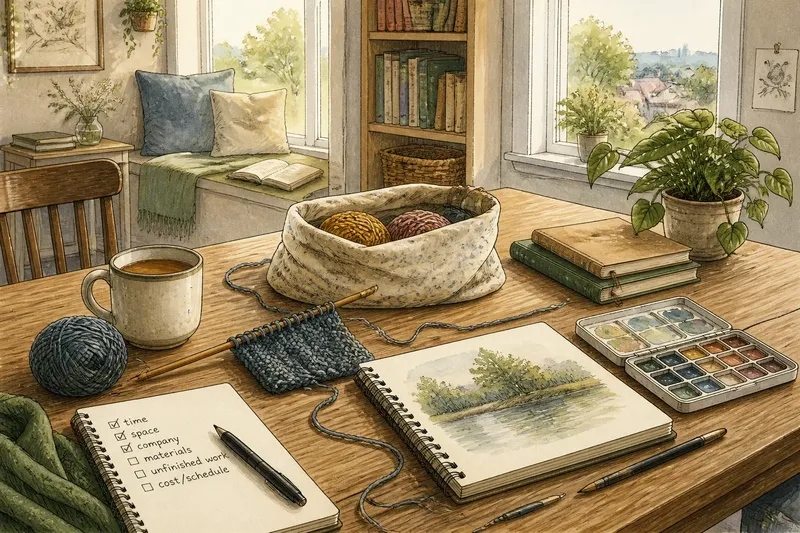
Imagine you are curious about knitting and have a quiet evening free. You borrow needles and yarn from a friend, clear one corner of the table, and spend the evening learning a basic stitch. You decide in advance that the borrowed materials will go back the next day unless you ask to keep using them. If the rhythm suits you, you can arrange another borrowed session; if not, the table is clear and there is no recurring class or pile of supplies to manage. The useful result is a clear choice about the next commitment, not a verdict on your ability.
Use a boundary as a permission slip, not a test. If a hobby begins to feel crowded or costly in attention, adjust the arrangement before deciding that the interest itself has disappeared.
Match the format
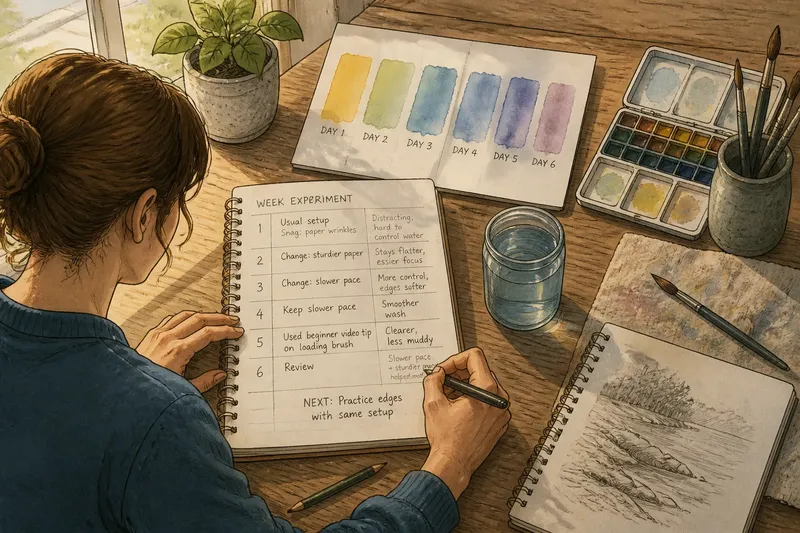
Many interests have several forms, and the format can matter as much as the activity. Birdwatching might mean noticing familiar visitors from a window rather than planning an outing. Playing guitar might mean a quiet practice at home rather than joining a band. Watercolor might mean a small sketchbook instead of a permanent work surface.
Before adding a commitment, identify what you want more of: calm, movement, conversation, concentration, or a reason to leave the house. Then choose the lightest format that supplies it. If you want company, a one-time group session may suit better than buying equipment for solitary practice; if you want a quiet pause, a class with a fixed schedule may add friction.
- Check whether supplies have a clear storage spot; if they do, keep them there, but if they take over shared space, choose a smaller project or borrow materials.
- Check whether the calendar slot feels welcome; if it does, keep the slot, but if it competes with a valued routine, move the activity to flexible spare time.
- Check whether you want company; if you do, try a one-time group session, but if you prefer solitude, choose an at-home format.
- Check whether the activity needs special materials; if basic or borrowed items are suitable, start with those, but if instructions or venue rules require specific equipment, follow them before participating.
- Check whether unfinished work is comfortable to see; if it is, leave it accessible, but if it nags at you, choose a contained project you can put away.
- Check whether a recurring fee or schedule is part of the offer; if both fit your boundaries, consider joining, but if either feels uncertain, seek a single session or a borrow-and-return option.
Questions about commitment?
How much time should I set aside?
Choose a calendar slot that does not displace something you already value, such as one open evening or a flexible moment at home. If the activity needs more room to feel comfortable, extend the arrangement only when that extra time fits naturally.
Should I buy supplies before I start?
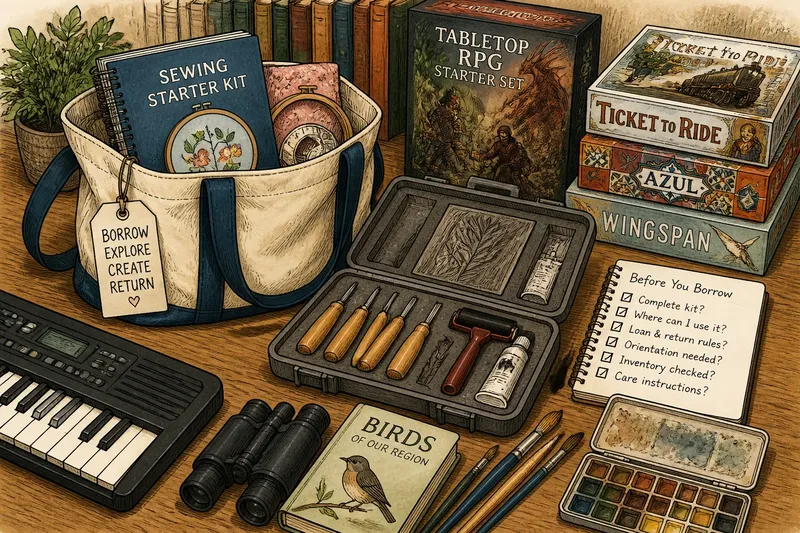
Begin with materials you already have, can borrow, or can access through a library, community center, or local group when those options suit the activity. Buy a particular tool when you know what part of the hobby you want it to support, and check any relevant instructions or venue rules first.
What if I miss a planned session?
A missed session does not create debt. Keep the next opportunity flexible, or remove the calendar slot if it has become a source of pressure rather than anticipation.
When should I make a bigger commitment?
Consider a class, recurring group, or dedicated equipment when you can name what it would add—such as instruction, company, or a useful tool—and its schedule and storage fit your boundaries. If you cannot name that benefit yet, keep the arrangement simple.
Let interest set the pace
As an interest grows, you may want a weekly class, better tools, or a more ambitious project. Add one commitment at a time, with a clear reason for each addition. A class might provide company you enjoy; a tool might make a specific task easier. Neither needs to become a badge of seriousness.
Keep the low-stakes hobby shaped around your actual life: the space you can spare, the time you can offer, and the kind of company you want. That small boundary is what makes changing the format—or taking a break—feel like part of the arrangement rather than a failure.
Before you sign up or bring home another supply, name the change you want it to make. If you can point to a welcome benefit and a place for the commitment to fit, you have a useful reason to proceed; if not, leaving the door open is a choice too.